Amalyara: A Delicate Script Font for Handmade Product Labels and Branding
I was sitting at my kitchen table last autumn, testing out a new candle label design, when I first saw Amalyara appear on my screen. The thin, graceful strokes curled across the mockup like a handwritten note from someone with impeccable penmanship. I had been searching for a script font that felt both refined and approachable for my small batch soy candles, and this one stopped me mid-scroll. The letters seemed to float just above the label background, delicate but completely legible. That evening, I printed my first test sheet, cut out the labels with scissors, and wrapped them around two tester jars. By morning, I knew this typeface would become a staple in my shop.
What Makes Amalyara Stand Out in a Crowd of Script Fonts
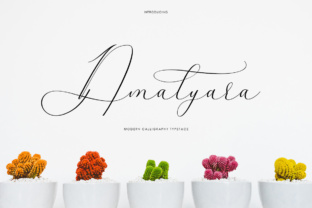
Amalyara belongs to that rare category of handwritten script fonts that manage to feel both effortless and intentional. The letterforms are thin and airy, with a gentle slant that suggests movement without rushing. Each character carries a slight variation in stroke weight, mimicking the natural pressure changes of a fine pen gliding across paper. This gives the font a genuine handcrafted quality that is surprisingly difficult to find in digital typefaces. The ascenders and descenders are beautifully proportioned, creating an elegant silhouette whether the text sits alone on a tag or runs across a wide greeting card. Unlike many script fonts that can feel heavy or overly ornate, Amalyara keeps a light, breathable presence that works beautifully for product lines where sophistication matters.
Bringing Amalyara into Real Product Work
The first real project where I committed to Amalyara was a set of wedding shower invitations for a close friend. She wanted something romantic but not fussy, and I knew immediately that this font could carry the tone. I paired the bride and groom names in Amalyara at the top of the card, set at a generous size so the swashes could stretch elegantly across the layout. For the event details below, I used a clean sans serif in a small weight so the two typefaces balanced each other. The result looked like something from a high-end stationery studio, but it came together on my home printer with minimal fuss. Since then, I have used Amalyara for birthday party printables, holiday gift tags, and thank you cards that accompany every order from my shop.
For product labels especially, Amalyara performs best on short phrases. A single word like "Lavender" or "Vanilla Bean" set in this font becomes a focal point that elevates the entire package. I have used it on candle labels, lip balm tubes, and small batch jam jars. The thin strokes work beautifully against light colored backgrounds, particularly cream, soft blush, pale green, and white. If your product packaging leans toward minimalist or botanical aesthetics, this font will feel right at home.
Practical Considerations for Printing and Cutting
Because Amalyara is a thin script font, it requires a little extra attention during the production phase. When printing on labels or cardstock, I recommend using a printer with good ink density settings. The fine lines can appear faint if the printer is running low on toner or if the paper is highly textured. I had one frustrating afternoon where the font looked perfect on screen but came out barely visible on kraft paper labels. Switching to a slightly heavier paper weight and adjusting my print settings to high quality solved the issue completely. For those using cutting machines like Cricut or Silhouette, Amalyara cuts cleanly when the font size is kept at a reasonable scale. I have used it for vinyl decals on tote bags and mugs, and the fine details hold up well as long as the text is not shrunk below about half an inch in height. For tiny stickers or very small product tags, consider pairing Amalyara with a bolder font for the secondary information and reserving the script for the main heading only.
Font Pairing Ideas That Actually Work
Over the past several months of using Amalyara across different product lines, I have found a few pairings that consistently deliver good results. A clean sans serif like a lightweight geometric or humanist style creates a lovely contrast without competing for attention. The sans serif can handle the body text, ingredient lists, or fine print while Amalyara takes the starring role in the headline. For a more traditional or vintage feel, a simple serif font with moderate contrast works well alongside it. I have also experimented with pairing Amalyara alongside another script font for layered lettering in logo designs and signage, but this approach requires careful spacing to keep the composition readable. In most cases, one script is enough. Let Amalyara be the voice and choose a neutral partner for the supporting text.
Real Projects That Benefit from This Typeface
Wedding stationery remains one of the strongest applications for Amalyara. Save the date cards, invitation suites, place cards, and welcome signs all gain a refined elegance when the couple names or key phrases appear in this font. For shop owners creating digital templates, Amalyara works well in preview images and mockups because it photographs beautifully and reads clearly even at smaller sizes in listing thumbnails. Printable wall art is another category where this font shines. A single quote or a single word like "breathe" or "gather" set in Amalyara against a soft watercolor background becomes a piece of art that customers can print at home. I have also used Amalyara for boutique clothing tags, jewelry cards, and farmhouse style wooden signs where the text is painted or burned into the surface. The thin lines translate well onto physical materials when the craftsmanship is careful.
Readability and Display Use Across Products
Amalyara is not designed for long paragraphs or dense body text. The delicate strokes and connected letterforms make it best suited for display purposes where the text is meant to be seen and admired rather than read quickly in bulk. Names, titles, short phrases, and single words are where this font performs at its peak. On a mug, a single name in Amalyara becomes a personalized gift that feels thoughtful and custom. On a tote bag, a short phrase like "Sunday Market" turns an ordinary canvas bag into a branded product. In digital listings, using Amalyara for the main headline in your mockup images can help your products stand out in search results because the font has a distinctive, premium appearance that catches the eye. Just be mindful that very small sizes on screen may lose some of the detail, so keep display text large enough to preserve the swashes and curves.
Commercial Licensing and File Format Considerations
Before you integrate Amalyara into your product lineup, take a moment to review the commercial licensing terms included with your purchase. Script Amp fonts typically offer clear guidelines about what is allowed for physical product sales, digital downloads, and template resale. If you plan to sell printables, SVG designs, or digital templates that include the font, make sure your license covers that specific use case. The same applies if you are creating merchandise like shirts, mugs, or tote bags for resale. Most premium fonts require an extended license for certain commercial activities, so reading the fine print protects both your shop and your creative work. Amalyara is available in standard font formats including OTF and TTF, which work across major design software and cutting machine platforms. Check whether the font includes alternates, ligatures, and swashes, as these extras can expand your design possibilities significantly. Ligatures in particular help certain letter combinations flow more naturally and can make a huge difference in how professional your final product looks. Multilingual support is another detail worth confirming if your shop serves an international customer base or if you create products with text in multiple languages.
Building a Cohesive Brand Identity Around Amalyara
Once you start using Amalyara consistently across your product packaging, tags, labels, and marketing materials, customers will begin to associate that elegant handwritten look with your shop. Brand recognition does not require a complicated logo. Sometimes a single typeface used consistently is enough to create a visual thread that ties everything together. I now use Amalyara on my shop banners, my thank you inserts, the stamps I use on shipping envelopes, and the labels on every product I sell. The font has become part of my brand identity without any additional design work. It is simply present, and customers notice. When someone receives a package with a handwritten style script on the tag, they perceive care and attention. That perceived quality translates directly into customer trust and repeat purchases.
If you are a handmade seller, printable creator, or small batch maker looking for a typeface that brings elegance without pretension, Amalyara deserves a spot in your font collection. It works hard across paper, vinyl, fabric, and digital screens. It pairs well with simple companions. It prints beautifully when given the right settings. And most importantly, it makes your products look like they were designed with intention. That is the kind of detail that sets a handmade business apart in a marketplace full of generic designs.